
How to Search Criminal Dockets
For a Pottawatomie County criminal docket, start at the Kansas District Courts CaseSearch Portal. Pick District as the court level. Then choose your search term. Options include Case Number, Party Name, Business Name, Party As Business Name, or Citation Number. Next, expand the additional filters. Set the county to Pottawatomie County. Mark the case type as Criminal. A human check stands between you and the results. The Search button only activates once you clear it.
Search by case number first. It is the fastest, most exact key to a criminal docket. When you only have a name, the lookup still works. But common surnames will pull false matches. Scan each result before you open it. Look for the court, the filing date, the case type, and the status. Kansas guidance shows compact formats like 2019CV25 and a prefix form. Yet the true criminal case number has to come from your notice or the clerk.
- Choose District and a search type in CaseSearch.
- Enter the case, party, business, or citation term.
- Filter to Pottawatomie County and Criminal.
- Complete the human check and open the matching result.
- Read the newest event and setting, then confirm uncertain details with the clerk.
Pottawatomie Criminal Docket Routes
Venue controls the search. The Pottawatomie County Attorney prosecutes state felonies, misdemeanors, domestic-battery matters, and state traffic charges, but the attorney is not the docket custodian. Jen Hibbard, Clerk of the District Court, keeps the Pottawatomie County District Court record. Municipal clerks keep separate city ordinance and city traffic files.
The official County Attorney page helps show that division of work.
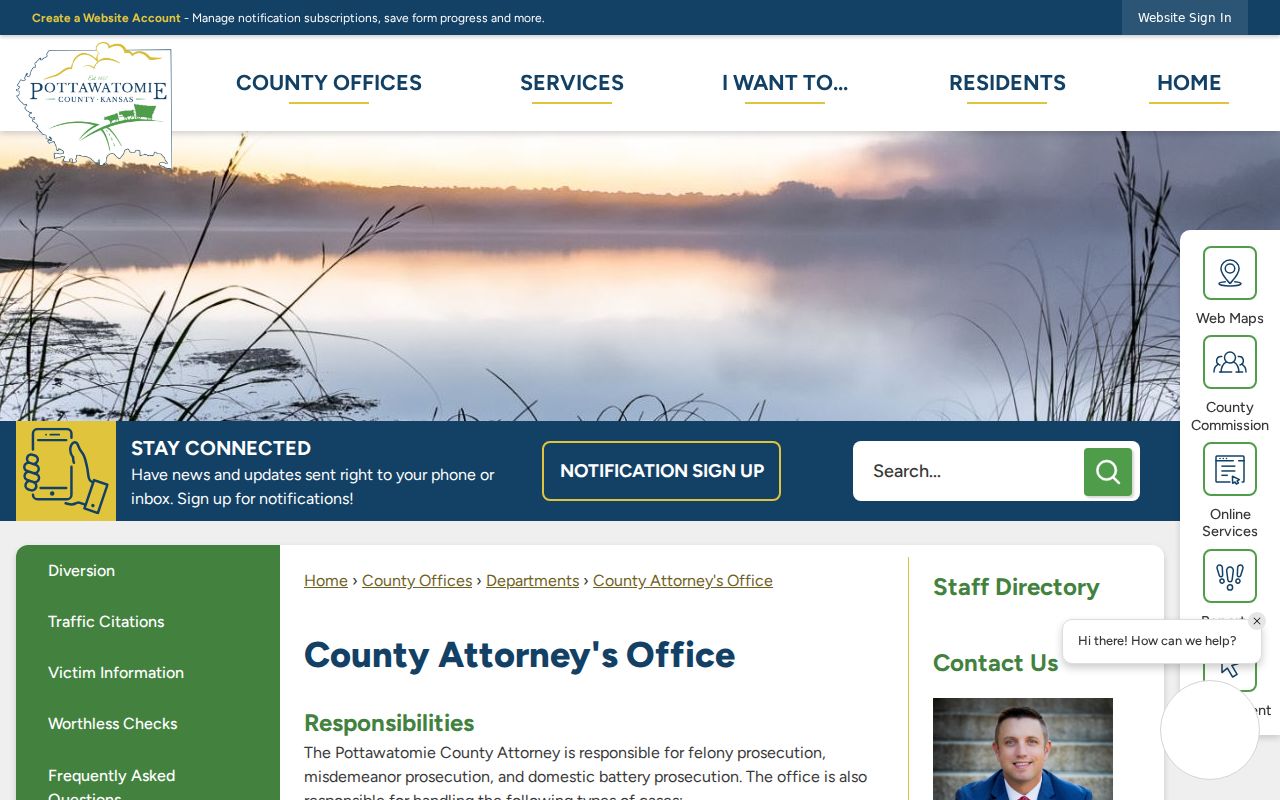
That split trips up many searchers. Questions about prosecution belong with the County Attorney. Docket entries, hearing settings, and copies always remain with the court clerk.
| Matter | First search | Record keeper |
|---|---|---|
| State felony | CaseSearch, District, Criminal | District Court Clerk |
| State misdemeanor | CaseSearch or clerk | District Court Clerk |
| City ordinance charge | City court or vendor | Municipal court clerk |
What a Criminal Docket Shows
Kansas calls a public criminal docket an events index. It is a chronological summary of public case activity. For Pottawatomie County, an entry may identify the case and court. It can also show public party and attorney roles, list the assigned judge, and display settings and disposition. Results can also carry links to public documents. Even so, a case-information screen never promises that every filed paper is online.
| Header | Case number, filing date, Pottawatomie County court, case type, judge, and status. |
|---|---|
| Charge | Charging document or offense description and classification when public. |
| Events | Complaint, appearance, plea, motions, hearings, continuances, judgment, sentence, and appeal. |
| Setting | Date, time, courtroom, judge, and setting type when published. |
| Disposition | Dismissal, plea, trial result, diversion event, judgment, or sentence as entered. |
Read the whole sequence. One line alone can mislead you. A setting may be reset while the older date lingers in the event history, so the newest order is the sound place to confirm what happens next.
Pottawatomie Criminal Event Terms
Labels on a docket describe steps, not forecasts. The charging event states what was filed and nothing more; it does not establish guilt. A disposition records how a filed count or case ended. In between, a Pottawatomie County criminal docket may show a plea, bond order, motion, notice of setting, hearing, continuance, or diversion event.
- Arraignment
- A hearing at which the charge is presented and a plea is addressed.
- Continuance
- An order moving a hearing or deadline to a later date.
- Diversion
- A supervised agreement before adjudication; it is discretionary and not an automatic dismissal.
- Disposition
- The recorded outcome of a charge or case, such as dismissal, plea, or trial judgment.
Financial fields like bond, costs, or balance appear only when the public system exposes them. Never infer a final result from a payment screen alone.
Stages on a Criminal Docket
A Pottawatomie County criminal case can move through several recorded phases. Not every case uses every step, and some events repeat. The docket flow is: Filing › Arraignment › Pretrial › Plea or Trial › Disposition › Sentencing. A complaint begins the court file. Appearance and arraignment entries establish the first court events. Motions, bond orders, notices, and pretrial settings then build the event history.
A plea or trial entry does not always close every issue. Sentencing can come later. A notice of appeal can open a fresh phase after judgment, so check the current status and the last dated entry together. If the first result is unclear, turn to the Pottawatomie County case search workflow.
Pottawatomie Criminal Dispositions
For local context, the Kansas criminal disposition report covering the year ending June 30, 2025 lists Pottawatomie County totals. It reports 126 felony dispositions and 155 misdemeanor dispositions. Those figures count completed disposition events in a fiscal-year report, not a live pending docket and not unique people.
The felony row breaks down as 11 deferred or diversion outcomes, 24 dismissals, 71 guilty pleas, 18 other outcomes, and two jury trials. For misdemeanors, the report shows 57 deferred or diversion outcomes, 34 dismissals, 52 guilty pleas, 10 other outcomes, and two court trials. No set of county totals can predict how any individual Pottawatomie County criminal case will end.
Which Court Holds Criminal Dockets
State criminal dockets live in the Pottawatomie County District Court. Its district magistrate division may handle traffic infractions, many misdemeanors, first appearances, arraignments, and preliminary matters under Kansas law. But it is still part of the district court. CaseSearch or the clerk identifies the assigned judge. The County Attorney brings the prosecution. The prosecutor never replaces the clerk as keeper of the official events index.
Manhattan, Wamego, St. Marys, St. George, Onaga, and Westmoreland each run separate municipal routes for city ordinance matters. A city citation is not automatically a Pottawatomie County District Court criminal docket. Read the issuing court on the notice. If a city court is named, contact that municipal clerk.
Pottawatomie Diversion Docket Events
The Pottawatomie County diversion page describes diversion as a supervised program offered before adjudication. Approval is discretionary. Meeting the listed factors creates no right to entry. Adult and juvenile application materials list a nonrefundable $10 application fee plus notarization. The county says its traffic-infraction diversion application carries no application fee.
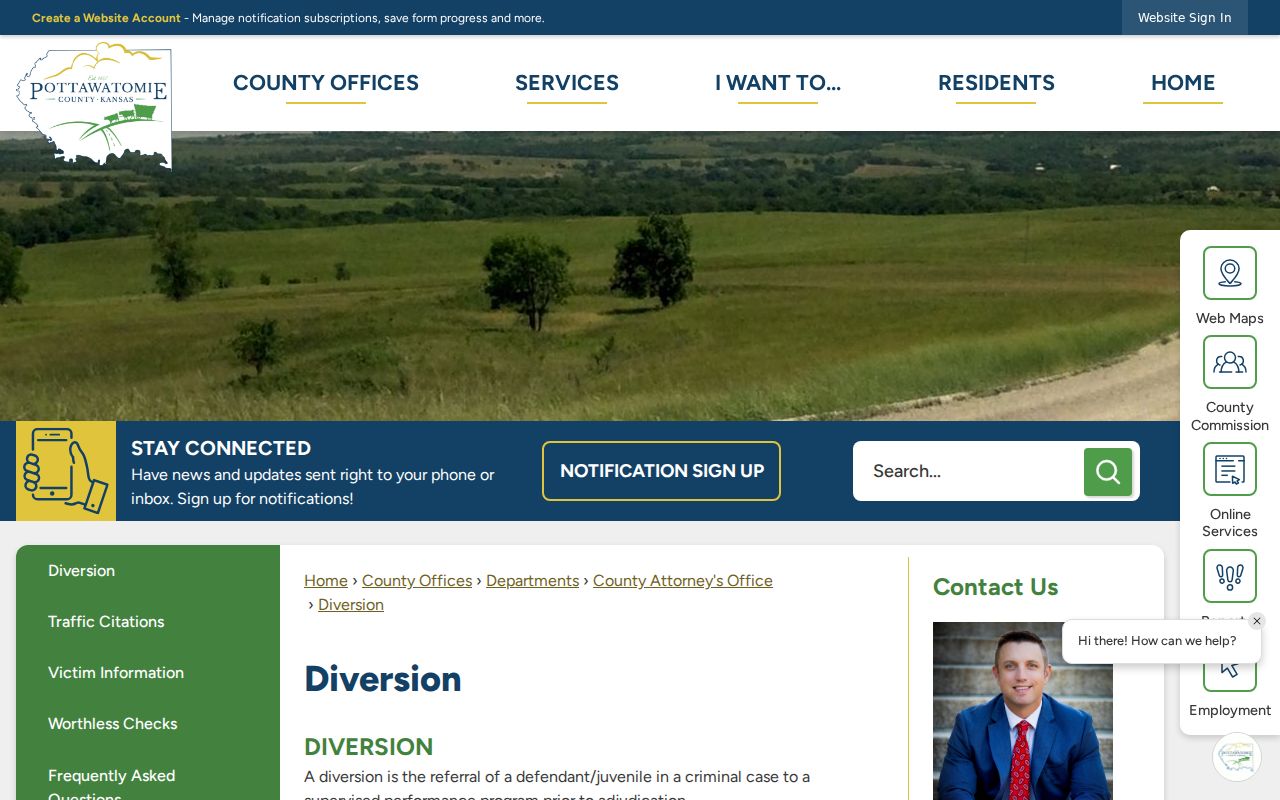
That program page is the source, not a court record. An agreement, compliance event, dismissal, or revocation may appear in a public Pottawatomie County criminal docket. The application, evaluation, service log, or treatment material is not automatically public.
Myth: Applying for diversion closes the case. Fact: The court docket must be read for the filed agreement, later events, and final disposition.
Missing Pottawatomie Criminal Results
An empty search screen proves little. A Pottawatomie County criminal docket may still exist even when nothing comes back. Widen the filters, drop a tight date range, and try the name the other way around. Double-check that the case belongs to Pottawatomie County District Court and not to a municipal court. Finish the portal's human check too. Before giving up, think about records that law keeps out of view: sealed files, expungements, juvenile cases, child-in-need-of-care matters, and anything older than the remote document range.
Still nothing? Call Jen Hibbard's office at 785-457-3392. You can also visit the public terminal at the Justice Center, 108 N. 1st Street, second floor, Westmoreland, where the counter is open Monday through Friday, 8 a.m. to 4 p.m. Written requests may go by mail to P.O. Box 129 or by fax to 785-457-2107, once you confirm the current copy and payment process.
Note: The terminal can display public case material that is unavailable remotely, though every legal restriction on the record still applies.
Public Access and Sealed Criminal Dockets
Kansas opens most qualifying case information to the public through CaseSearch and the courthouse terminals. Sealed and nonpublic material stays off limits. Juvenile and child-welfare files answer to their own disclosure laws. An expunged case drops out of an ordinary search altogether. Want a single public filing? Use the Kansas Request Form for Court Records and list the case number, the filing date, and the document you need. The Kansas expungement statute explains why a public result can be missing. Sometimes the law simply blocks access.
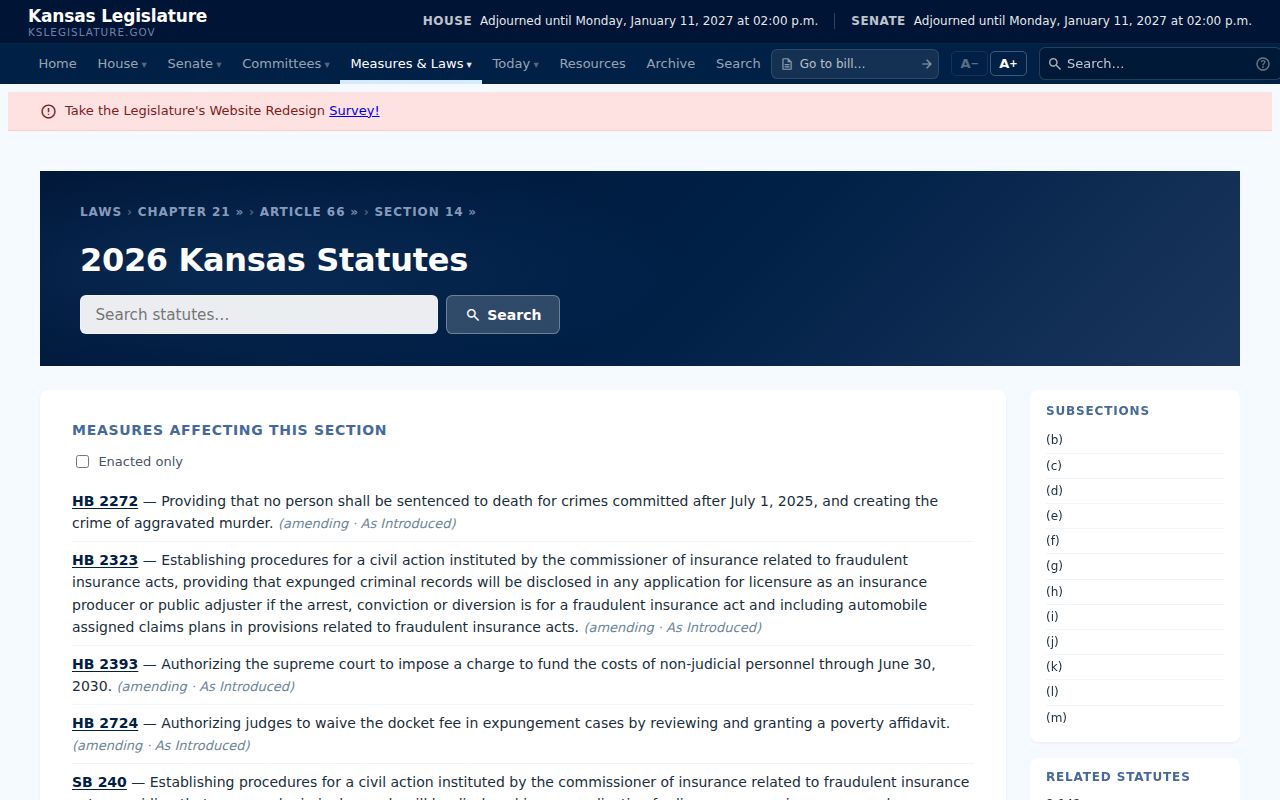
That statute is only one layer of the analysis, since the clerk must also apply the order and rules governing the specific record. The Kansas juvenile record statute sets up its own separate disclosure framework.
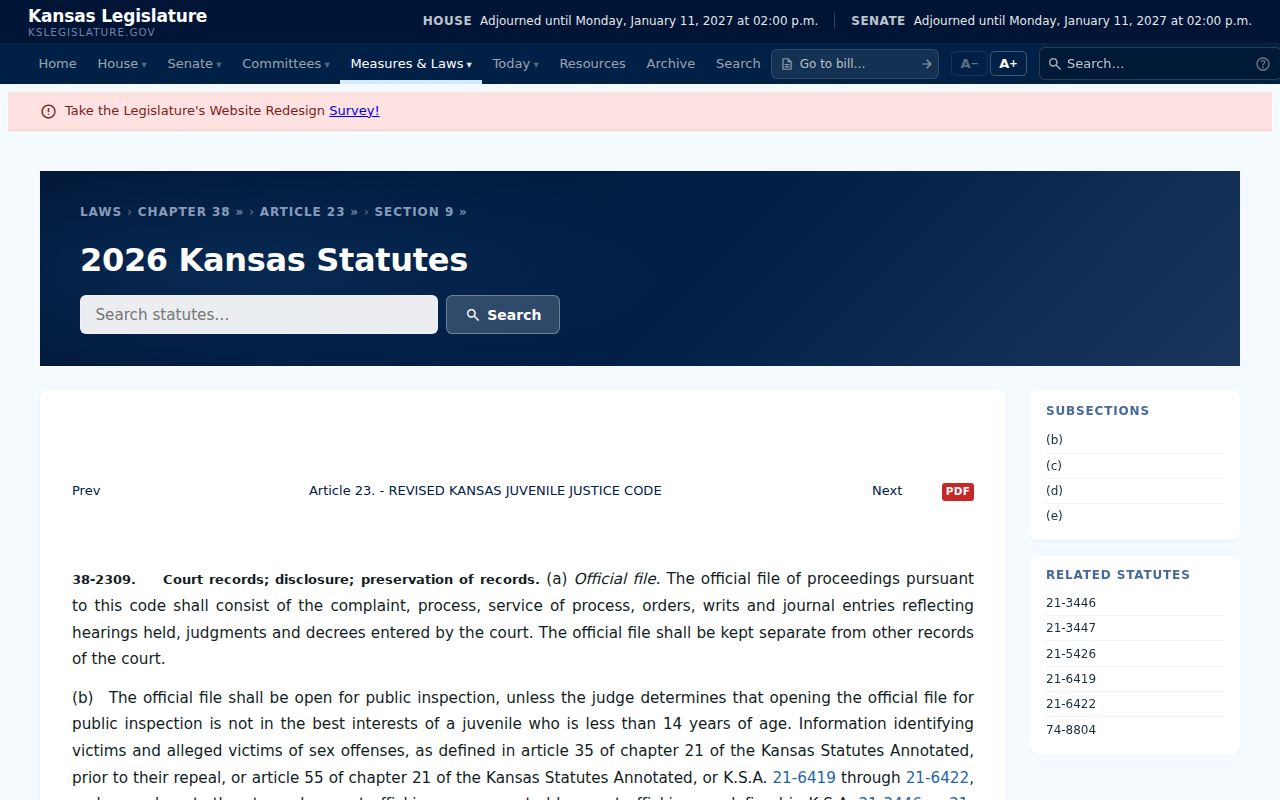
The lesson is simple. A standard adult criminal docket search in Pottawatomie County should never be assumed to work for youth-related court files.
Key rules:
Kansas Supreme Court Rule 22 governs electronic public access and courthouse terminals.
K.S.A. 38-2309 controls disclosure of juvenile court records.
K.S.A. 21-6614 sets the Kansas expungement process.